Gas line installation is a critical part of many home improvement projects, from kitchen remodels to outdoor upgrades. While it may seem straightforward, even small mistakes or oversights can lead to serious delays, increased costs, and potential safety hazards.
Understanding the common problems that arise during gas line installation—and how to avoid them—can help keep your project running smoothly and safely.
Common Gas Line Installation Problems
Incorrect Pipe Sizing
Using the wrong pipe size can lead to inadequate gas flow, affecting appliance performance. It may also require rework, causing delays and additional costs.
Poor Planning and Layout
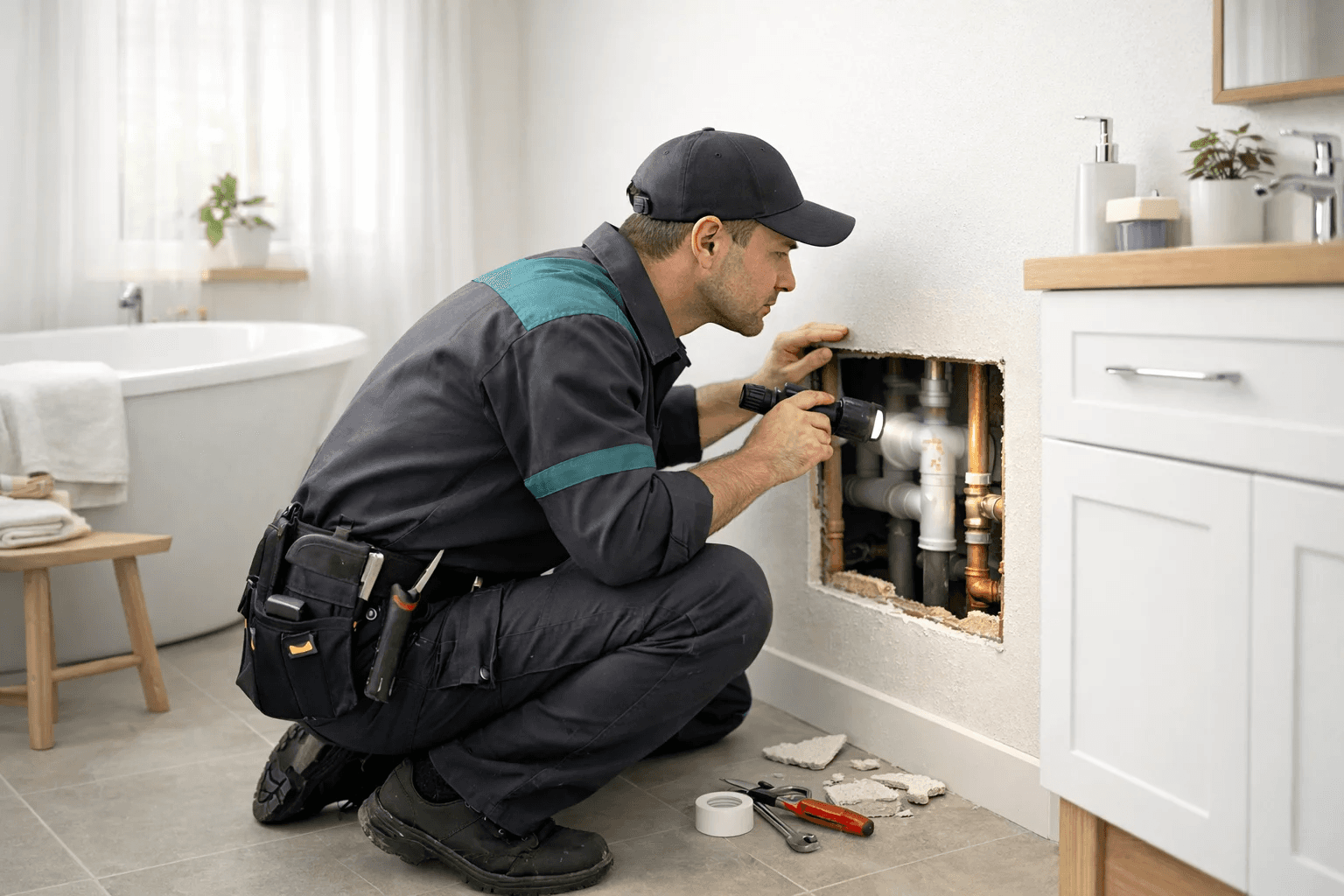
Improper routing of gas lines can interfere with other systems like plumbing or electrical wiring. This often leads to redesigns and project slowdowns.
Leaks and Loose Connections
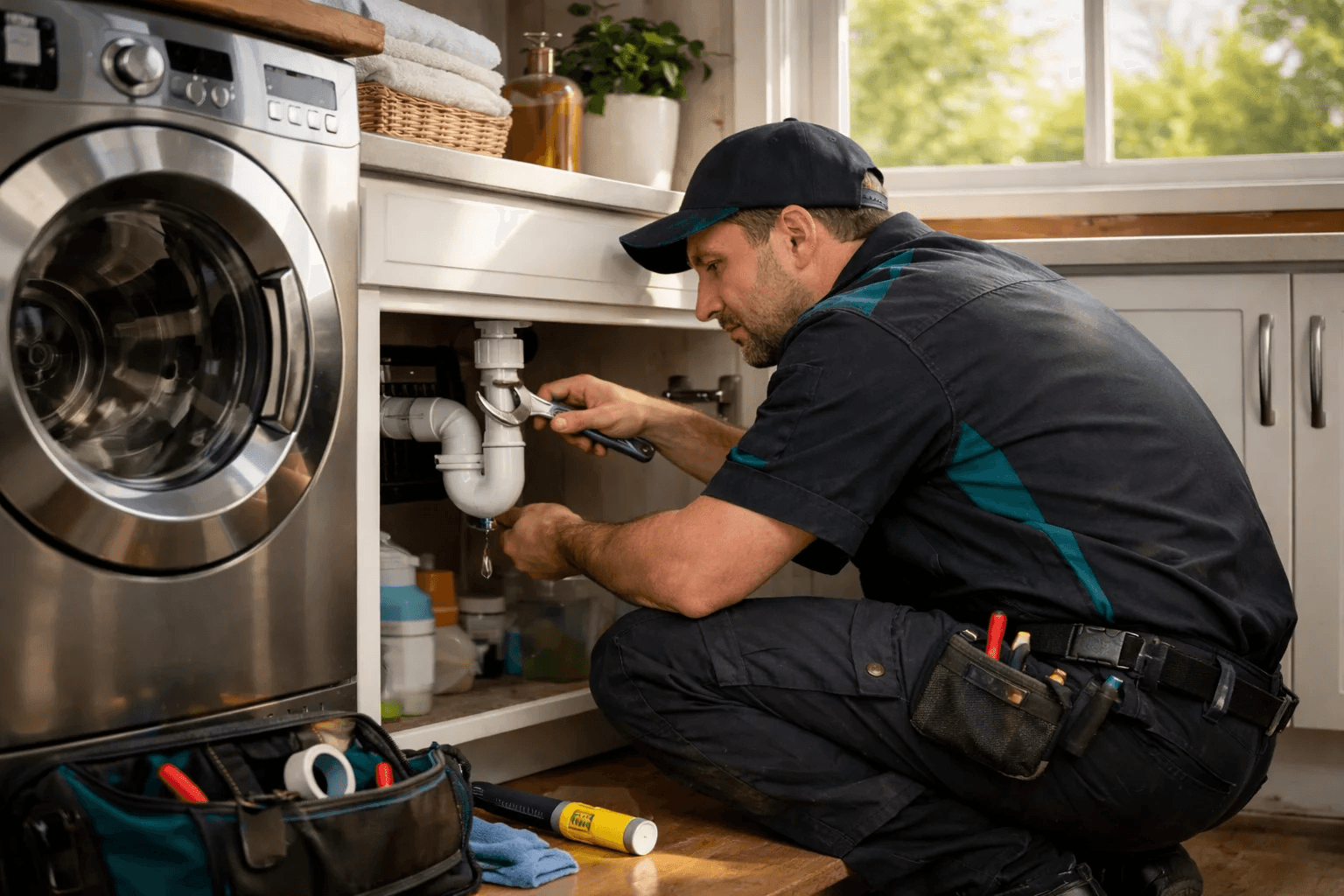
Even a minor leak can halt a project immediately due to safety concerns. Gas leaks require urgent attention and thorough inspection before work can continue.
Code Compliance Issues
Failure to meet local building codes and regulations can result in failed inspections, fines, and mandatory corrections.
Delayed Permits and Inspections
Gas line installations typically require permits. Delays in approval or scheduling inspections can push your entire project timeline back.
Low-Quality Materials
Using substandard pipes or fittings increases the risk of leaks, corrosion, and long-term failure.
How These Problems Impact Your Project
Gas line issues don’t just affect one part of your project—they can disrupt everything. Delays in installation can:
Postpone appliance setup
Hold up inspections and approvals
Increase labor and material costs
Create safety risks for occupants
That’s why proper planning and execution are essential from the start.
How to Avoid Gas Line Installation Delays
Hire Qualified Professionals
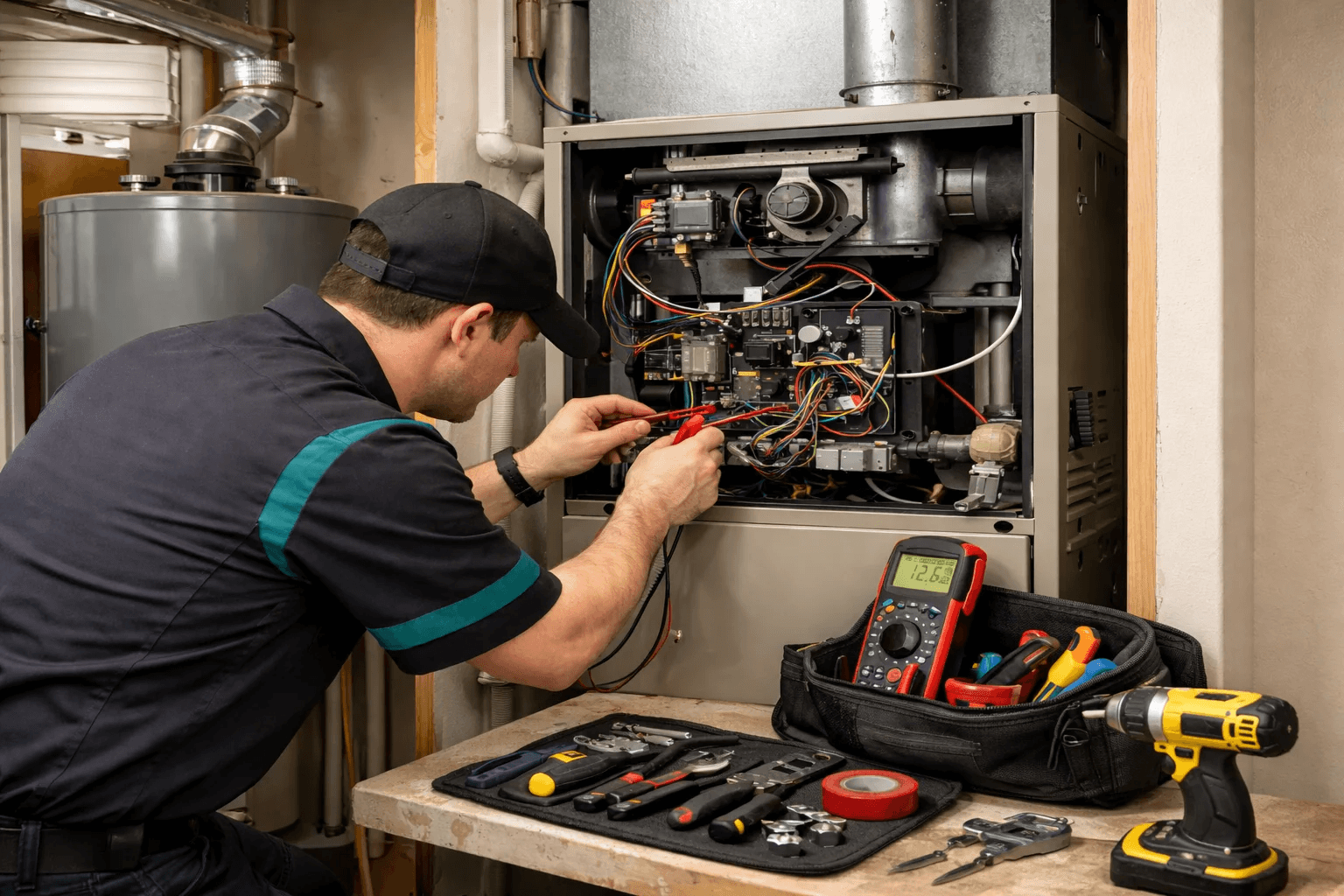
Working with licensed and experienced plumbers or gas technicians ensures the job is done correctly and safely.
Plan Ahead
Before starting your project, ensure the gas line layout is properly designed and coordinated with other systems.
Follow Local Codes and Regulations
Always comply with building codes to avoid inspection failures and legal issues.
Use High-Quality Materials
Investing in durable, approved materials reduces the risk of leaks and future repairs.
Schedule Permits Early
Apply for permits in advance and plan inspections ahead of time to prevent unexpected delays.
Conduct Thorough Testing
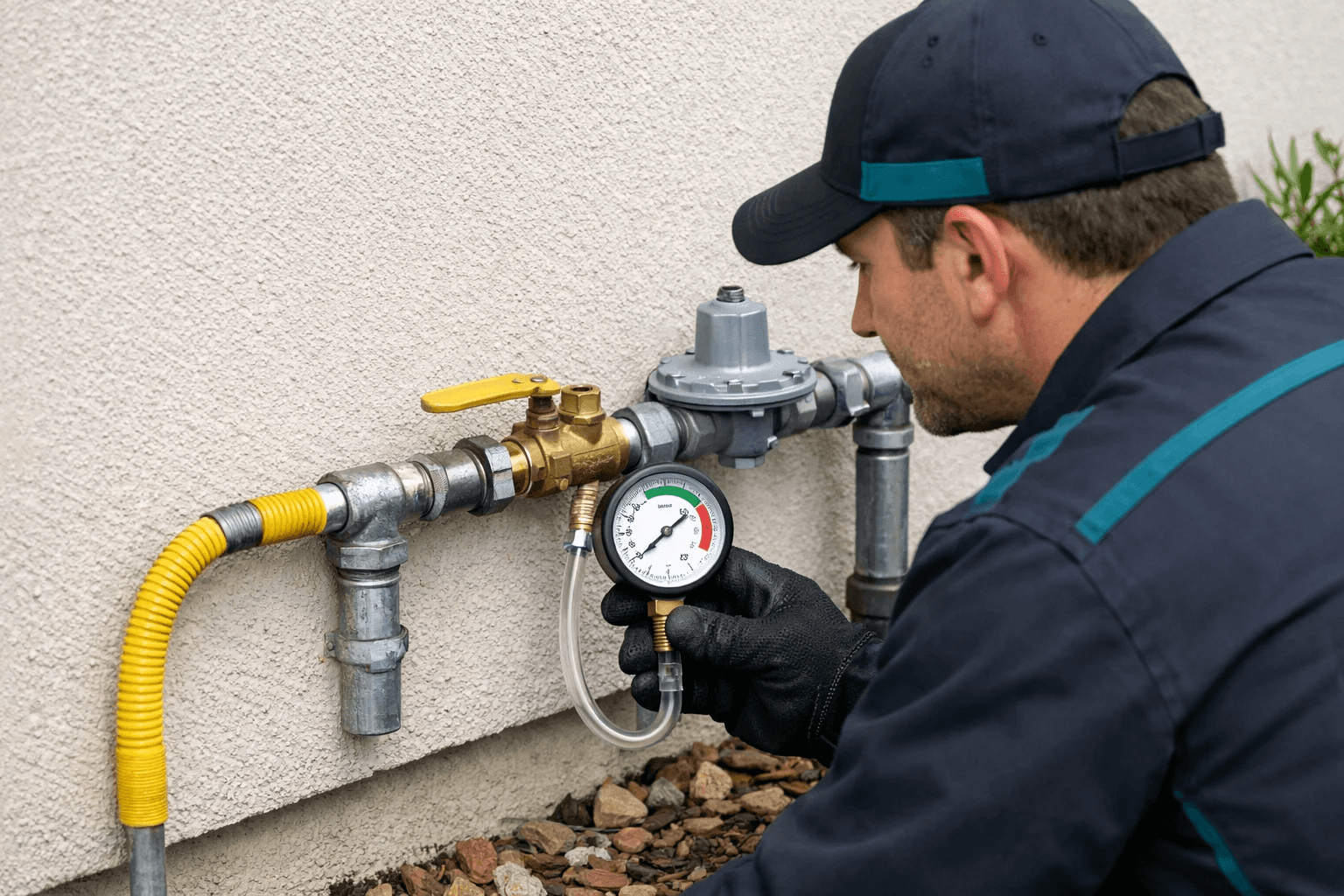
Pressure testing and leak detection should be done before completing the installation to ensure everything is secure.
The Importance of Safety
Gas line installation is not just about functionality—it’s about safety. Improper installation can lead to:
Gas leaks
Fire hazards
Health risks
Taking the right precautions and working with professionals helps protect your home and family.
Final Thoughts
Gas line installation problems can quickly derail your home project if not handled properly. From incorrect sizing to permit delays, these issues can add time, cost, and risk.
By planning ahead, using quality materials, and hiring experienced professionals, you can avoid common pitfalls and ensure a smooth, safe installation process.
A well-installed gas line not only keeps your project on track but also provides long-term peace of mind.